A Business Card That Stands Out
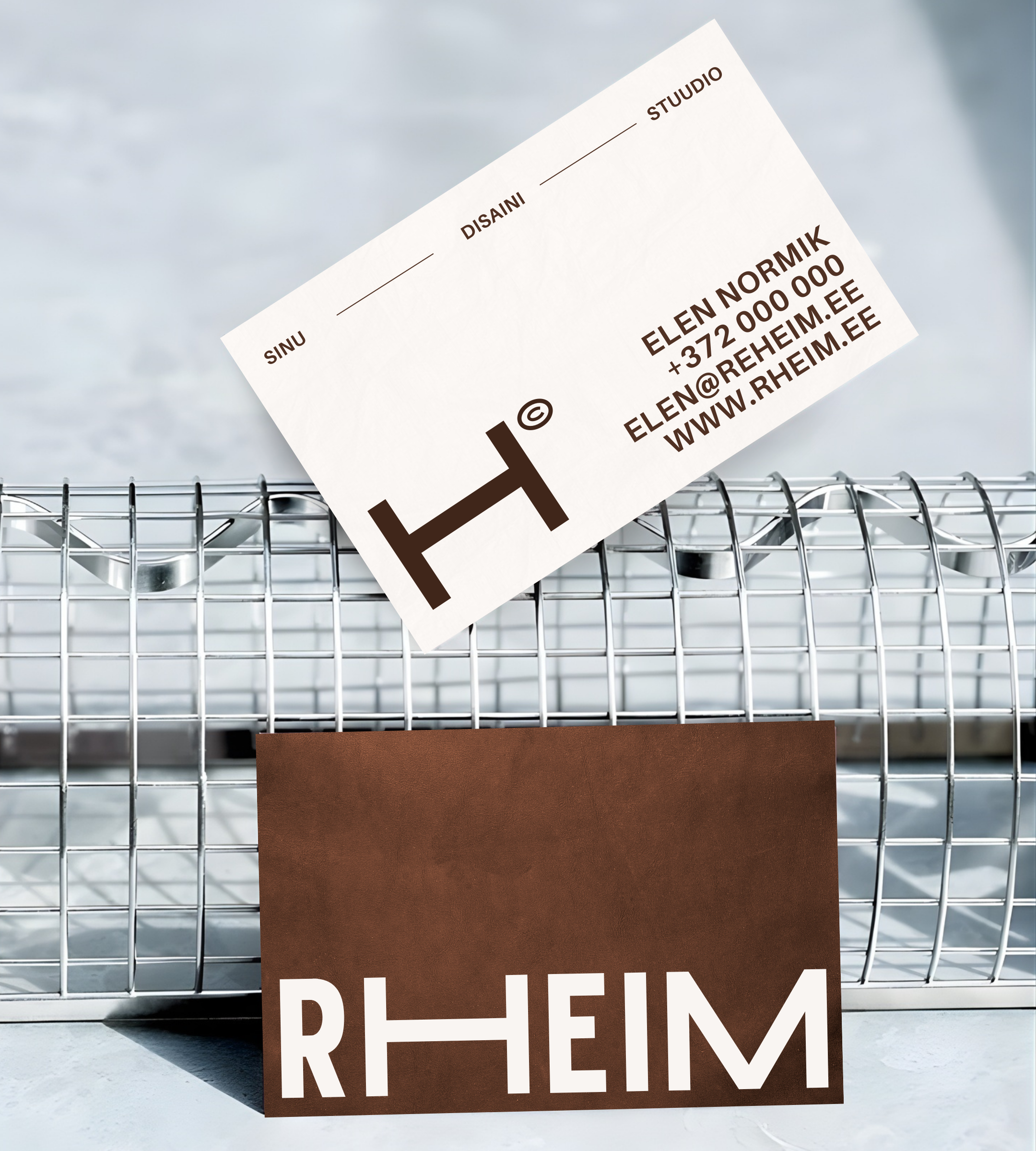
A business card,
that stands out
The digital age offers countless ways to present yourself and your company, but one thing remains unchanged – direct, person-to-person communication. Face-to-face meetings are what build trust and genuine business relationships.
When you hand a printed business card to a client, partner, or supplier, you leave a professional and well-considered impression. This small gesture shows attention to detail and readiness for cooperation. Often, it is precisely this extra step that makes you memorable and paves the way for greater results.
The Psychology of Design: color, contrast, typography (fonts), and other elements
Design influences how information is perceived and how quickly a message is understood. A business card offers limited space, so every element must serve a clear purpose. Below are the key principles for designing an effective business card.
Business card design psychology involves the intentional use of color, contrast, and typography to shape brand personality and business perception. Color plays a crucial role here – it is a silent communication tool. Some examples of color perception and possible applications:
Blue conveys trust and stability – suitable for medical, financial, and technology companies.
Red highlights energy and passion and can stimulate appetite – suitable for creative brands, the food industry, and sales.
Black and white emphasize elegance, simplicity, and authority. Always suitable for luxury products.
Orange and yellow symbolize joy, sunshine, and optimism. They work well for lifestyle businesses, youth-oriented products, food services, and transportation. These colors are also associated with promotions and special offers.
Green represents sustainability and nature. It is associated with health, prosperity, and environmental awareness, creating a calming and trustworthy effect – ideal for agriculture, health, and eco-friendly brands.
Colors should be chosen according to brand identity and target audience, while also taking cultural context into account.
Contrast
Contrast is a design principle that highlights differences between visual elements such as size, color, shape, or brightness. It is primarily used to improve readability. If the cardholder’s name or phone number blends into the background, the card fails its purpose. Dark text on a light background creates strong contrast and is a safe choice. Avoid light text on light backgrounds, dark text on dark backgrounds, and ensure that text and background colors are not too similar when using colored backgrounds.
Typography (Fonts)
Typography conveys brand character. The main font categories include:
Serif fonts (e.g., Times New Roman)
Characterized by small “tails” at the ends of letters. They create a classic, trustworthy, and formal feel.Sans-serif fonts (e.g., Helvetica, Poppins)
Clean, straight letterforms. Suitable for modern design.Decorative fonts
Use only as accents. Any text that must be readable (name, phone number, email) should always use a clear, simple font.
Using too many fonts makes a card confusing. Use a maximum of two typefaces – one for the company or personal name and one for contact details. Due to the size of business cards, often only one font is used.
For business cards, a font size of 10–12 pt is recommended. In print, the absolute minimum is 8 pt, though this may already be difficult to read for many people.
What information should be on a business card?
Include only information that someone needs to know immediately about you or your company. Excess information creates confusion.
Essential information:
First and last name
Job title
Company name
Phone number
Email
Website
Optional but important information:
Logo
Address – store, office, or legal address
Social media accounts
QR code for quick contact saving on a phone
Icons or small visuals to help information be understood faster
What to avoid:
Service descriptions
Long mission statements or slogans
Irrelevant or outdated information (e.g., fax number)
Negative space (empty space) on a card is just as important as the text itself:
Leave enough space around the name, title, and contact details.
Avoid clustering elements in one corner.
A clear layout helps the eye quickly find the right information.
Paper choice and special finishes according to brand positioning
Touching and seeing materials activates senses that are not engaged when viewing information on a screen. When choosing materials, consider both visual and technical needs. For example, outdoor work environments may require waterproof materials. For an eco-friendly image, 100% recycled paper is a good choice. In most cases, classic white business card cardstock works well.
Business cards are typically produced on cardstock with a weight of 300 g to 600 g.
Paper directly affects print colors. Uncoated paper makes colors matte and softer, while coated paper produces brighter and more contrasting results. When using colored paper (e.g., black, red, green, or metallic tones), keep in mind that the paper color shows through the print and affects the final color. For dark paper, foil stamping or white ink is recommended to ensure readability.
Printed results cannot be directly compared to what you see on a computer screen unless the designer uses a calibrated monitor.
Durability and special effects can be added with lamination:
Gloss lamination suits colorful designs
Matte lamination gives a softer, professional look
Soft-touch lamination creates a velvety feel
These surfaces can be enhanced with spot UV or foil stamping (gold, silver, black) to highlight important elements such as logos or names. Textured paper should not be laminated, as the film may not adhere evenly and can create air bubbles.
If you lack experience, it’s best to consult Pajoprint specialists for optimal results.
Sizes and formats
Choosing the right format affects both print cost and usability.
90 × 50 mm is the most common size. Slightly narrower, ideal for minimalist design, and allows efficient paper usage in printing.
85 × 55 mm (credit card size) is also used but is less practical for printing.
Square, mini, or folded cards attract more attention and allow creative layouts (e.g., logo on one side, contacts on the other), but they may not fit well in wallets or standard card holders.
If you want a card that is special yet practical, choose a size that fits standard business card holders.
Fast printing and practical tips
A trade fair is tomorrow and you have no business cards? Digital printing makes fast production possible. Pajoprint’s equipment produces small and medium runs quickly without compromising quality. To speed up the process, follow these simple tips.
Recommendations for fast production:
Place your order via the online platform.
Choose standard paper that is immediately in stock. The paper options in Pajoprint’s e-shop are always available on site and suitable for fast production:
https://www.pajoprint.eu/visiitkaardid/products/Use the standard size 90 × 50 mm to speed up production and reduce material waste.
If you don’t have a design, email clear instructions: print text + a high-quality logo file.
Up to 1,000 business cards can usually be produced within a few hours. Delivery time is 1–3 working days, depending on the production schedule. In urgent cases, call us – we’ll find a solution.
Note that delivery time increases when using special materials, lamination, special effects, or if print files do not meet quality requirements.
Measurable impact: a good business card gets results
Studies show that professionally designed and printed business cards significantly increase a company’s credibility. Customers remember companies better when the card feels solid and high-quality in hand. For example, a well-designed card with strong contrast and a clear message can increase follow-up response rates by 20–30%.
A business card is not just an information carrier – it is a miniature advertising tool that represents your company even when you are not in the room.
👉 Order your company’s business cards quickly and easily from the Pajoprint.eu online store.
If needed, we also help with design – so your business card stands out exactly the way it should.